
Success Stories: Overcoming Anxiety and OCD with Professional Help


Understanding Anxiety and OCD
Anxiety and Obsessive-Compulsive Disorder (OCD) are more common than many realize, affecting millions worldwide. These conditions can significantly impact daily life, but the good news is that professional help can lead to remarkable improvements.

Individuals often feel trapped by their worries and compulsions. Anxiety can manifest as constant fear or unease, while OCD involves unwanted recurring thoughts and repetitive behaviors. Recognizing these symptoms is the first step towards seeking help.
Success Through Therapy
The path to overcoming anxiety and OCD often begins with therapy. Cognitive Behavioral Therapy (CBT) is particularly effective, helping individuals to change negative thought patterns and develop coping strategies. Many have found relief through regular sessions with a qualified therapist.
Therapy provides a safe space to explore feelings and thoughts. It empowers individuals to face their fears and gradually reduce compulsive behaviors. This tailored approach ensures that each person receives the support they need to thrive.

The Role of Medication
For some, medication is an important component of treatment. Antidepressants and anti-anxiety medications can help balance brain chemistry, reducing symptoms and making therapy more effective. It's crucial to consult a healthcare professional for a personalized treatment plan.
Medication, when combined with therapy, can accelerate recovery. It offers the stability needed to engage fully in therapeutic practices and make meaningful progress.
Building a Support Network
Success stories often highlight the importance of a strong support network. Family, friends, and support groups play a vital role in recovery. Sharing experiences and receiving encouragement can boost morale and reinforce positive changes.
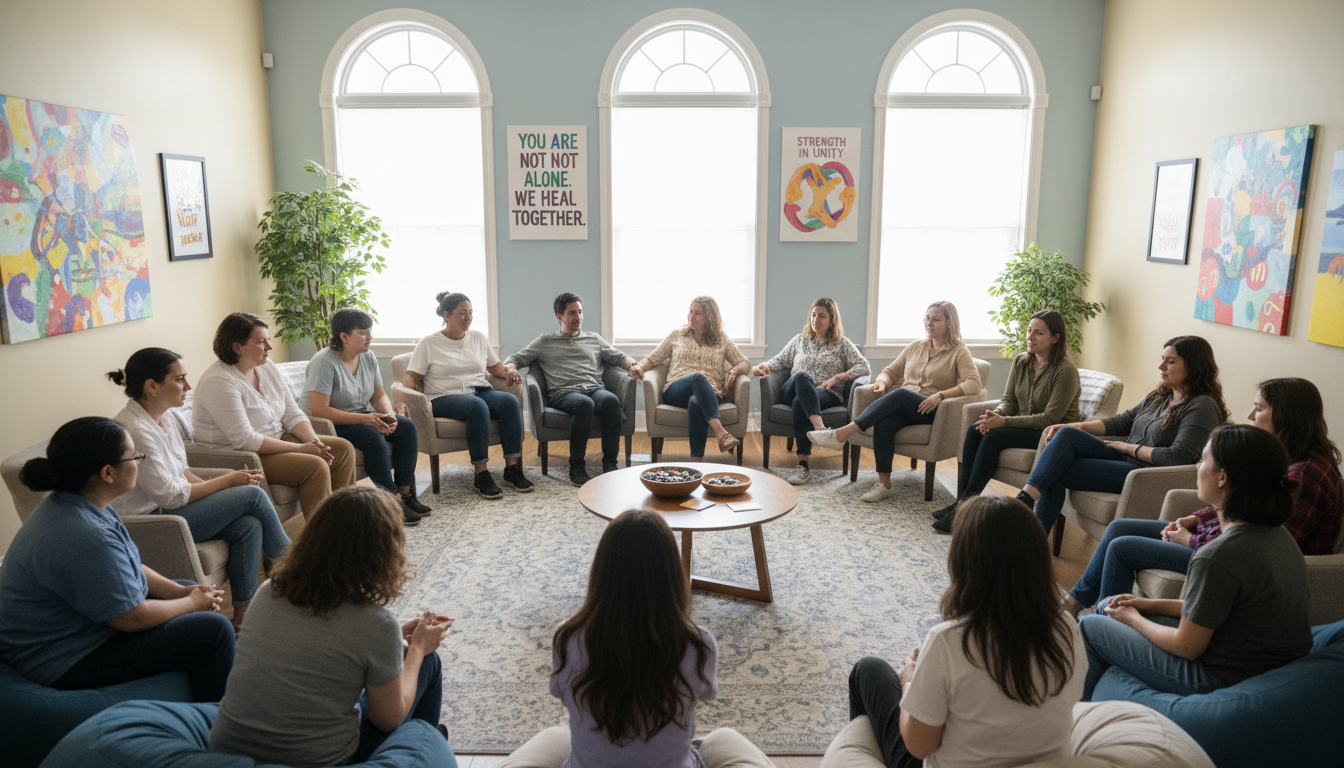
Support groups, in particular, offer a sense of community. Connecting with others who understand the challenges of anxiety and OCD can provide comfort and motivation.
Self-Help Strategies
Alongside professional help, self-help strategies can enhance recovery. Techniques such as mindfulness, meditation, and regular exercise can reduce stress and improve mental well-being.
Practicing self-care is essential. Simple daily routines, like journaling or taking nature walks, can make a significant difference in managing symptoms.
Inspiring Success Stories
Many individuals have successfully overcome anxiety and OCD with professional help. Their stories inspire hope and demonstrate that recovery is possible. By sharing these experiences, they encourage others to seek help and start their journey toward a healthier life.
Each success story is a testament to resilience and determination. With the right support and treatment, anyone can achieve a better quality of life, free from the constraints of anxiety and OCD.