
Expert Insights: Understanding the Latest Trends in Anxiety Therapy


Understanding the Latest Trends in Anxiety Therapy
Anxiety disorders are among the most common mental health issues worldwide. As awareness and understanding of mental health grow, so do the methods for treating anxiety. Modern therapy techniques are continuously evolving, offering more personalized and effective solutions for those in need.
Cognitive Behavioral Therapy (CBT) Evolution
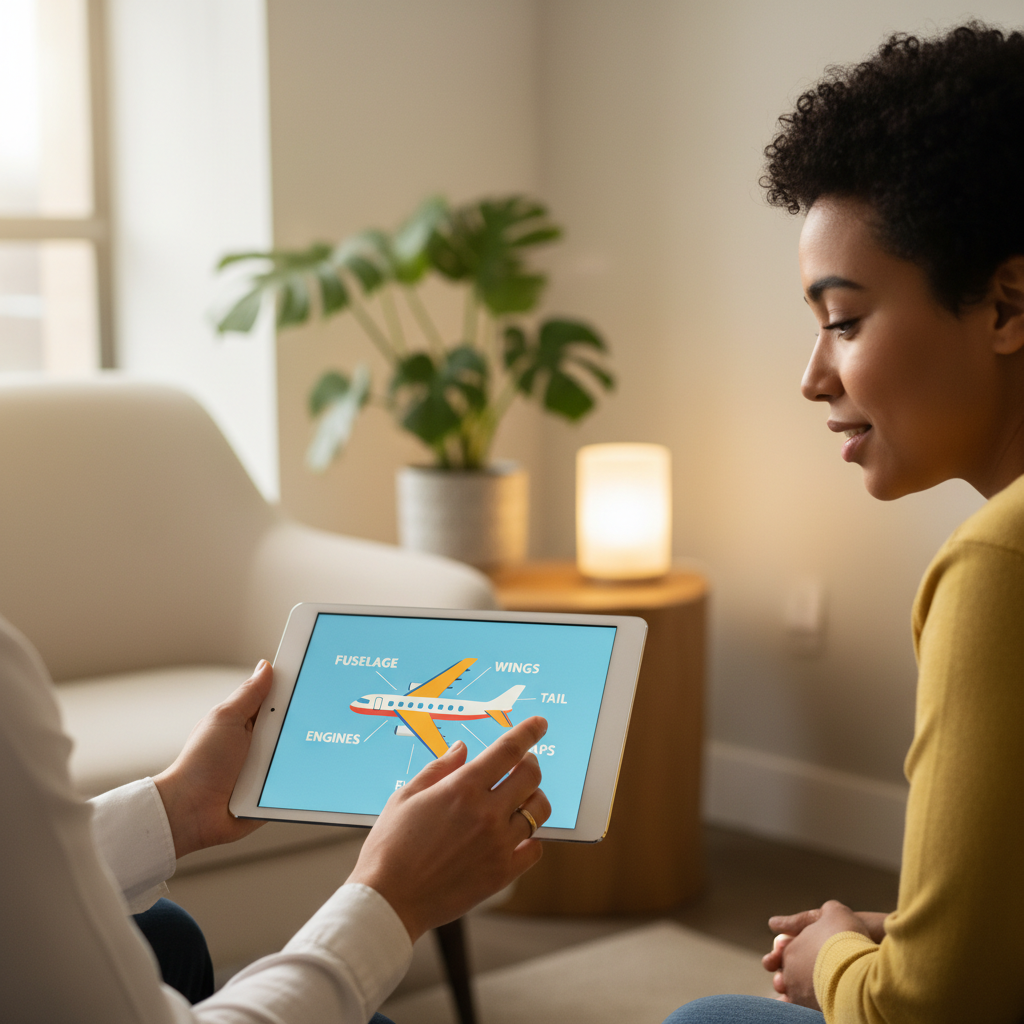
Cognitive Behavioral Therapy (CBT) has long been a staple in anxiety treatment. Recently, this approach has evolved to incorporate digital tools, making therapy more accessible and flexible. Online platforms and applications are now offering CBT-based exercises, allowing patients to work on their mental health at their own pace.
Moreover, new adaptations of CBT focus on specific anxiety disorders, such as social anxiety or obsessive-compulsive disorder (OCD), providing more targeted interventions. This customization enhances the effectiveness of treatment by addressing the unique aspects of each disorder.
Mindfulness and Acceptance-Based Approaches
Mindfulness practices, including meditation and acceptance-based therapies, are gaining popularity in anxiety treatment. These approaches encourage individuals to focus on the present moment, reducing the impact of anxious thoughts. Mindfulness-Based Stress Reduction (MBSR) and Acceptance and Commitment Therapy (ACT) are two prominent methods being integrated into therapeutic practices.
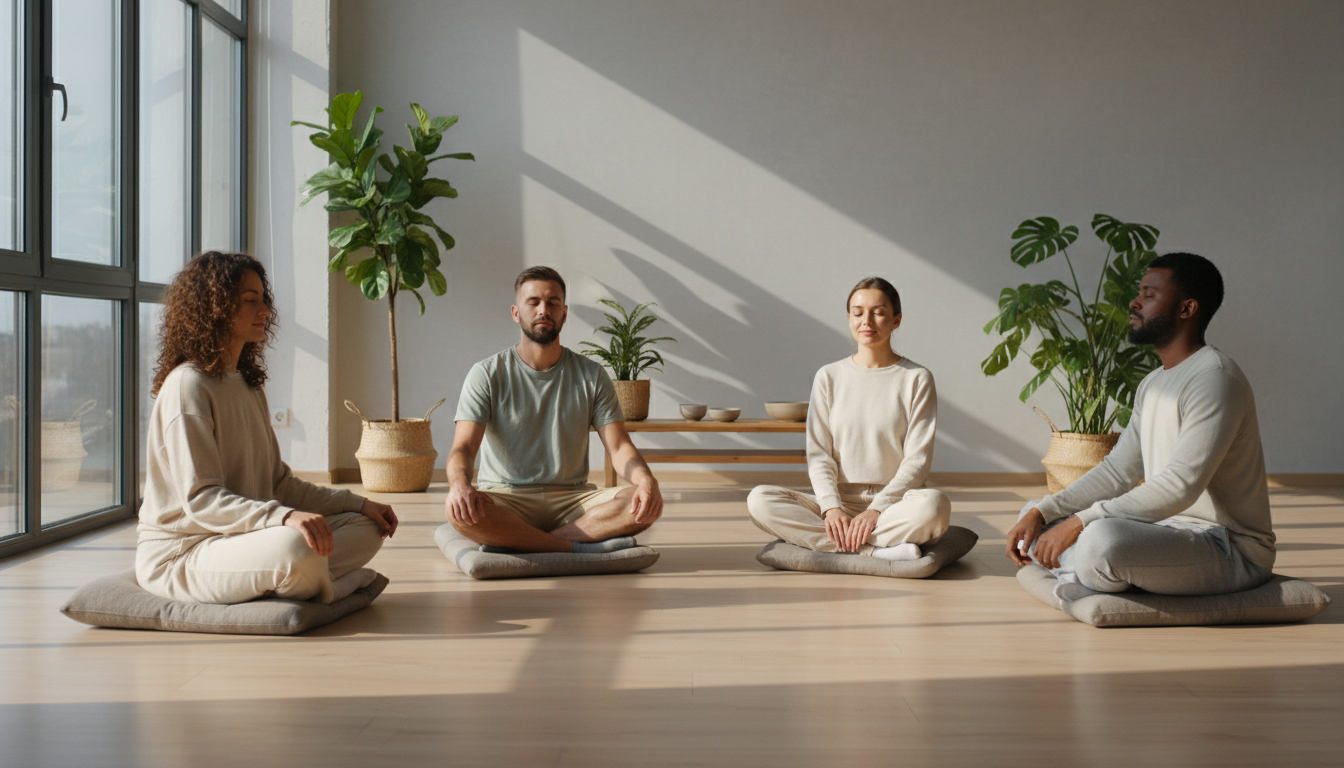
These therapies help individuals develop a healthier relationship with their thoughts and emotions, promoting resilience and emotional regulation. As research continues to support the effectiveness of mindfulness, more therapists are incorporating these techniques into their practice.
Virtual Reality Exposure Therapy
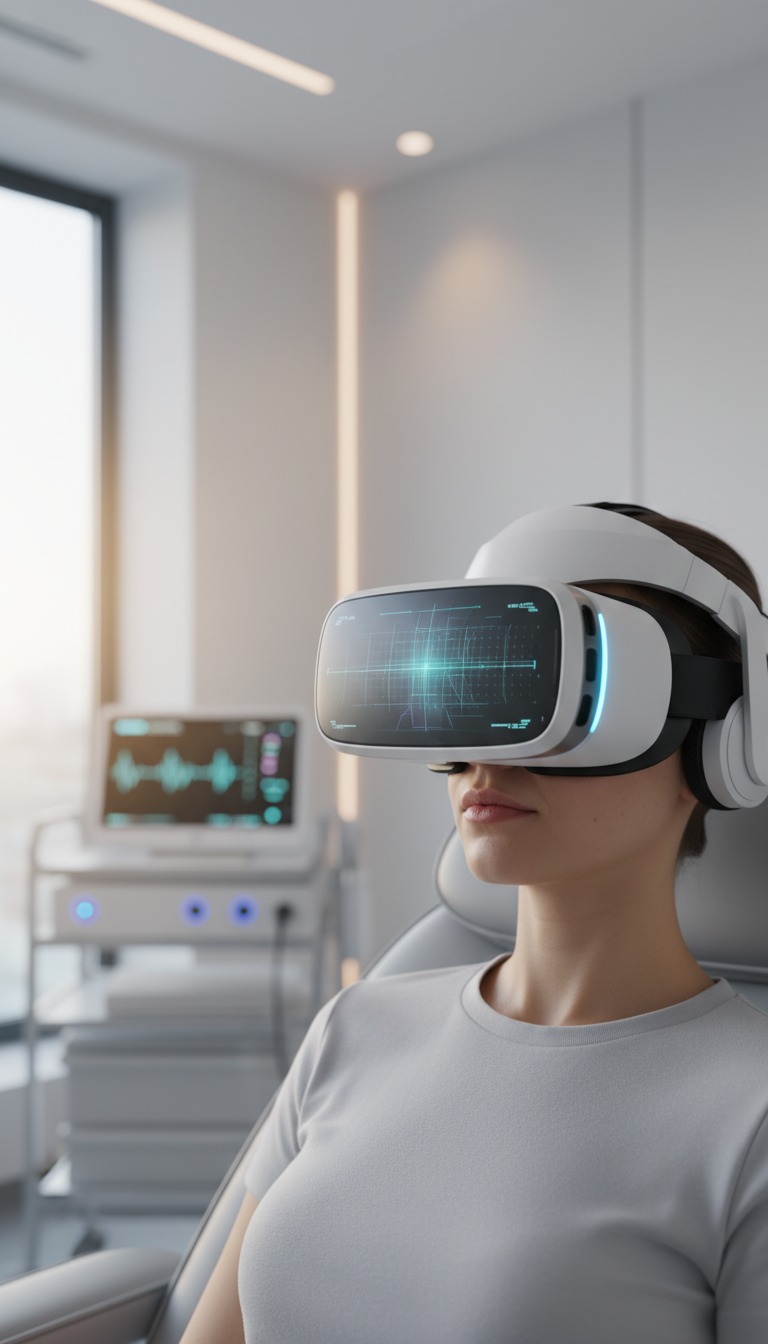
Virtual Reality (VR) is revolutionizing exposure therapy, particularly for phobias and PTSD. By using VR, therapists can create controlled environments where patients can safely confront their fears. This technology allows for gradual exposure, helping individuals build confidence and coping mechanisms in a safe setting.
VR therapy is proving to be a powerful tool, offering immersive experiences that traditional methods cannot provide. As technology advances, the possibilities for VR in anxiety therapy continue to expand, promising exciting developments in the field.
Emphasis on Holistic Treatments
In recent years, there has been a significant shift towards holistic approaches in anxiety therapy. Combining traditional methods with complementary practices, such as yoga, acupuncture, and nutritional counseling, offers a more comprehensive treatment plan.
This holistic perspective acknowledges the connection between mind and body, aiming to enhance overall well-being. By addressing various aspects of a person’s lifestyle, these treatments can lead to more sustainable improvements in mental health.
Teletherapy and Accessibility
The rise of teletherapy has transformed access to mental health care. With online sessions, individuals can receive support from the comfort of their homes, eliminating geographical barriers and reducing the stigma often associated with visiting a therapist’s office.
Teletherapy platforms also offer flexible scheduling, making it easier for people with busy lifestyles to prioritize their mental health. As teletherapy becomes more prevalent, it continues to play a crucial role in making anxiety treatment more accessible and inclusive.