
DIY Techniques to Calm Anxiety Symptoms at Home


Understanding Anxiety
Anxiety is a common experience for many people, manifesting in various ways such as worrying, restlessness, and physical symptoms like increased heart rate. While professional help is crucial for severe cases, there are several DIY techniques you can try at home to alleviate anxiety symptoms.
Practice Mindful Breathing
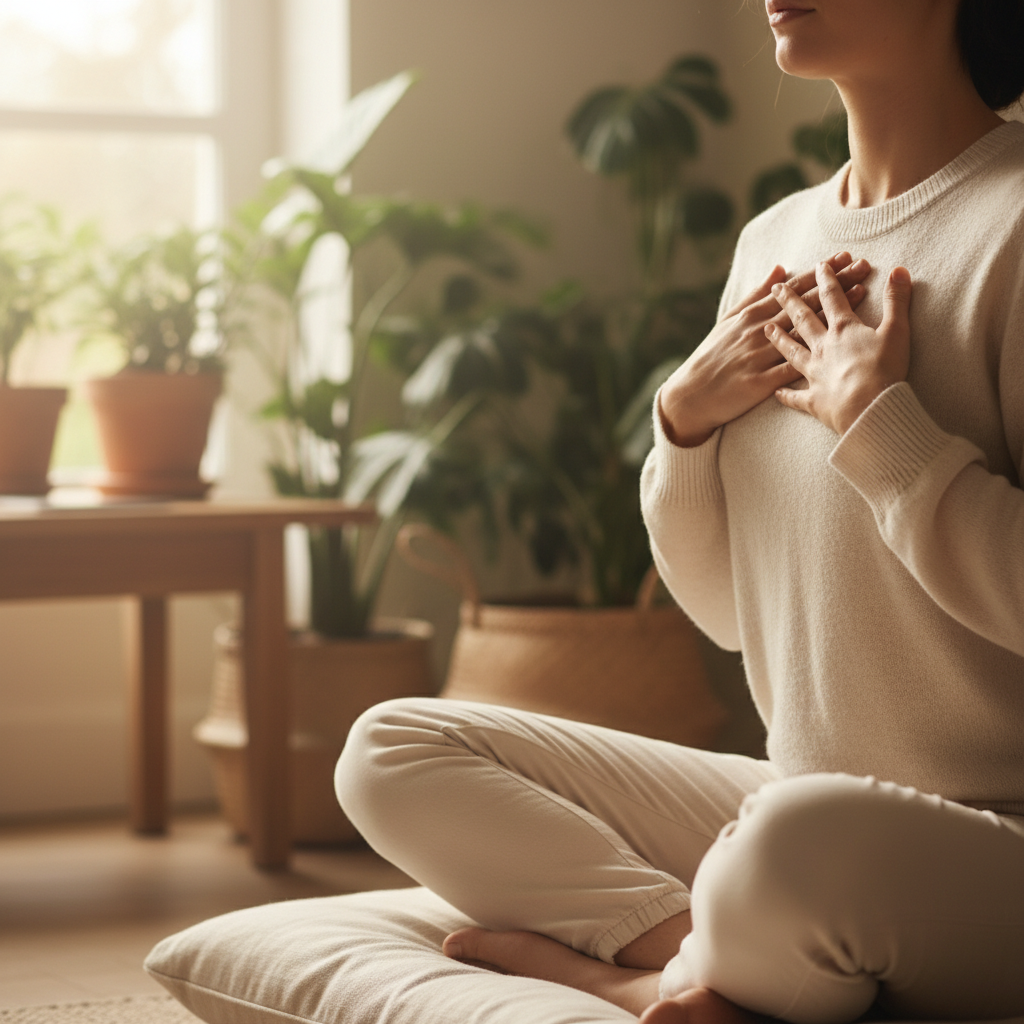
Mindful breathing is a simple yet effective way to calm your mind. By focusing on your breath, you can reduce stress and bring your attention to the present moment. Try this exercise:
- Find a quiet spot and sit comfortably.
- Close your eyes and take a deep breath in through your nose, counting to four.
- Hold your breath for four counts.
- Exhale slowly through your mouth for four counts.
- Repeat this process for a few minutes.
Create a Relaxation Space
Designate an area in your home as a relaxation zone. This can be a corner of a room with a comfy chair, soft lighting, and calming scents like lavender or chamomile. Use this space to unwind and practice relaxation techniques.
Engage in Physical Activity
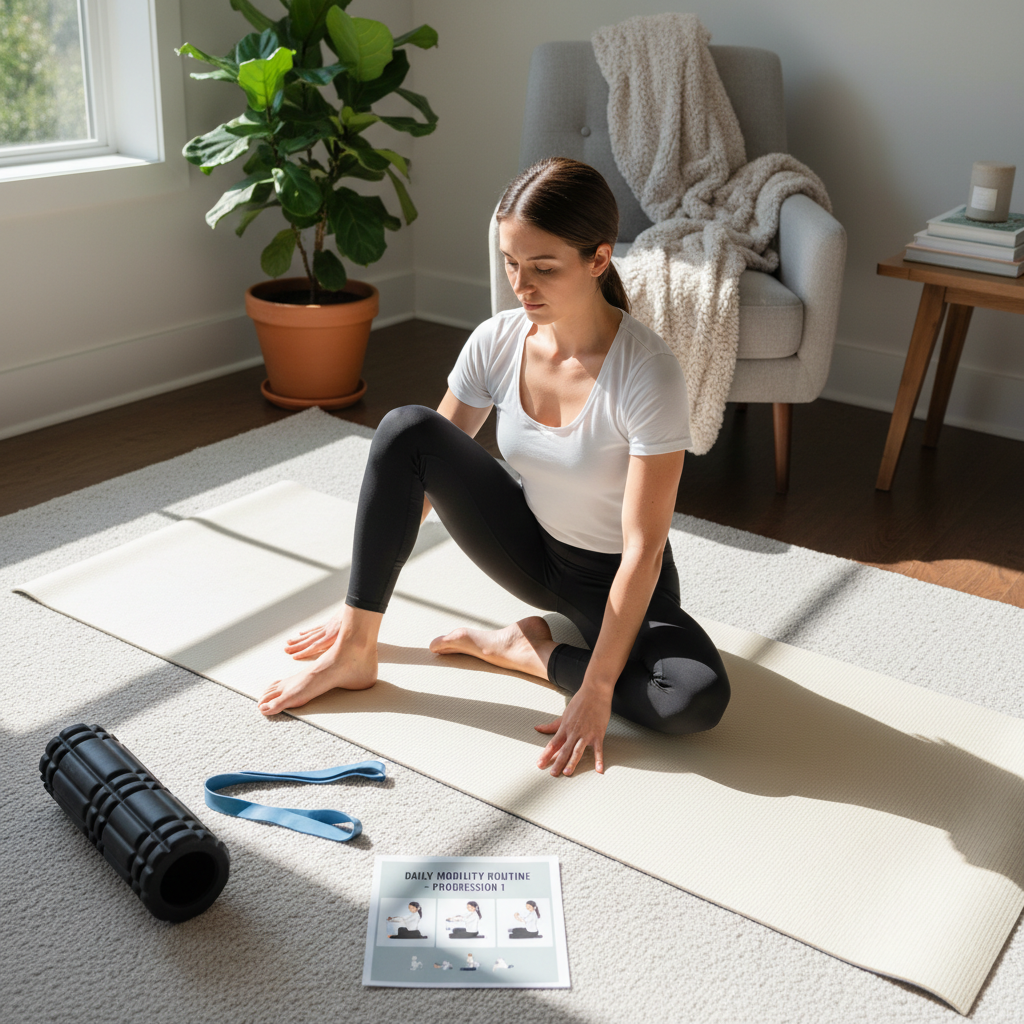
Exercise is a powerful tool for combating anxiety. Physical activity releases endorphins, which are natural mood lifters. You don't have to engage in strenuous workouts; even a short walk or yoga session can make a significant difference.
Utilize Guided Imagery
Guided imagery involves visualizing peaceful and serene images in your mind. Find a quiet place, close your eyes, and imagine a calming scene like a beach or forest. Engage all your senses to make the experience more vivid and soothing.
Explore Aromatherapy
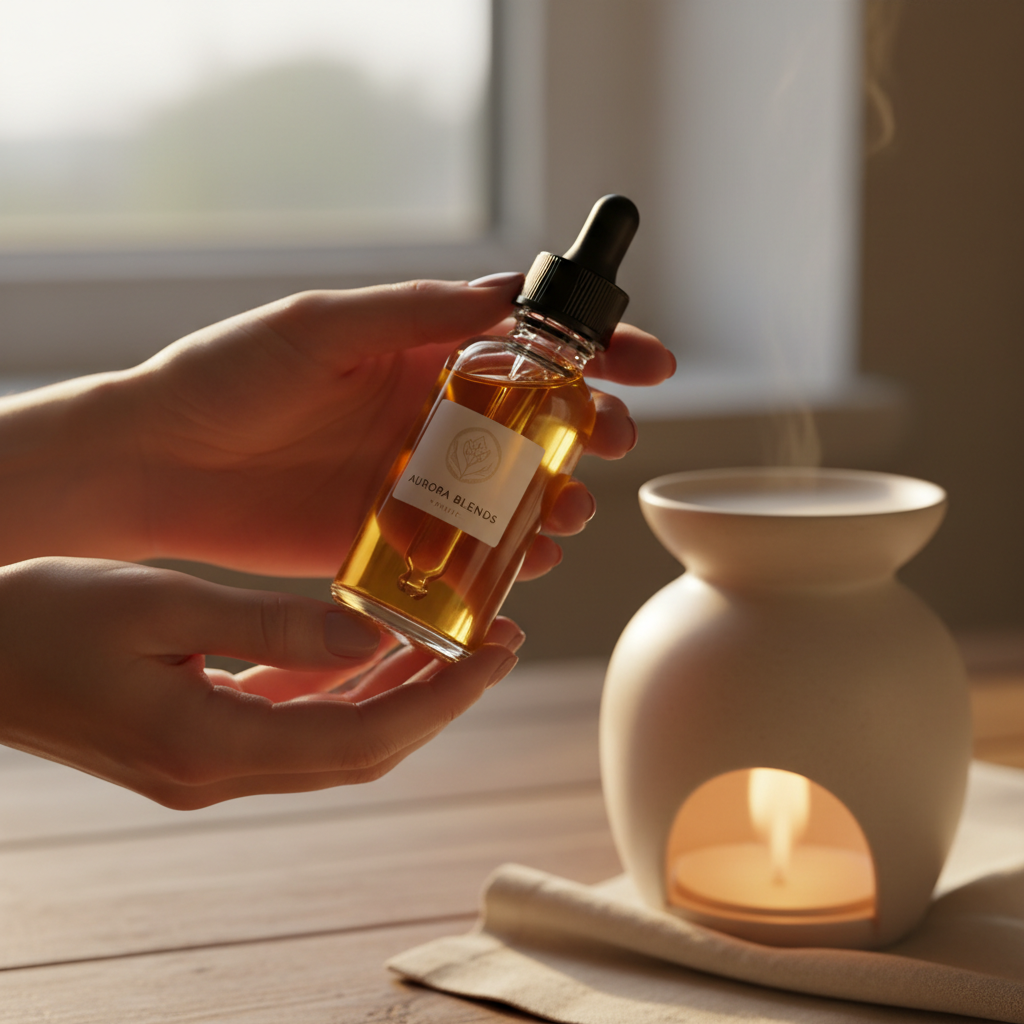
Aromatherapy uses essential oils to promote well-being. Scents like lavender, eucalyptus, and peppermint can help reduce anxiety symptoms. Use a diffuser or apply diluted oils to your skin for a calming effect.
Maintain a Gratitude Journal
Keeping a gratitude journal can shift your focus from anxiety to positivity. Each day, write down three things you are thankful for. This practice encourages a positive mindset and helps you appreciate the good in your life.
Connect with Nature
Spending time in nature can significantly reduce anxiety. Whether it’s a hike, a walk in the park, or simply sitting in your garden, connecting with nature helps ground your thoughts and provides mental clarity.

Limit Screen Time
Excessive screen time can increase anxiety and disrupt sleep. Try to set boundaries on your device usage, especially before bedtime. Engage in offline activities like reading, drawing, or having a conversation with loved ones.
These DIY techniques can be a great start to managing anxiety at home. Remember that while these methods can help, seeking professional guidance is important if your symptoms persist or worsen. Prioritize self-care and find what works best for you.