
Anxiety vs. Stress: How to Recognize and Treat Each


In today's fast-paced world, the terms “anxiety” and “stress” are often used interchangeably. However, understanding the difference between these two experiences is crucial for recognizing how they impact our lives and how we can address them effectively.

Understanding Anxiety
Anxiety is a feeling of fear, dread, or unease. It is often a response to perceived threats or worries about future events. While occasional anxiety is a normal part of life, excessive anxiety can interfere with daily activities and may require professional attention.
Symptoms of Anxiety
Common symptoms of anxiety include:
- Restlessness or feeling on edge
- Increased heart rate
- Rapid breathing
- Difficulty concentrating
- Insomnia
If anxiety is persistent and overwhelming, it might be a sign of an anxiety disorder. Seeking help from a mental health professional can provide strategies to manage these feelings.
Understanding Stress
Stress is the body's natural response to a challenge or demand. Unlike anxiety, which is more about future uncertainties, stress is often linked to a specific situation or event. While stress can be motivating in small doses, chronic stress can lead to health problems.
Symptoms of Stress
Some common signs of stress include:
- Headaches
- Muscle tension
- Fatigue
- Irritability
- Changes in appetite
Recognizing the sources of stress in your life can help in managing it effectively. Techniques such as time management, exercise, and relaxation practices can be beneficial.
Treatment Options
Both anxiety and stress can be managed through a variety of treatment options. Here are some effective strategies:
- Cognitive-behavioral therapy (CBT): This method helps individuals identify and change negative thought patterns.
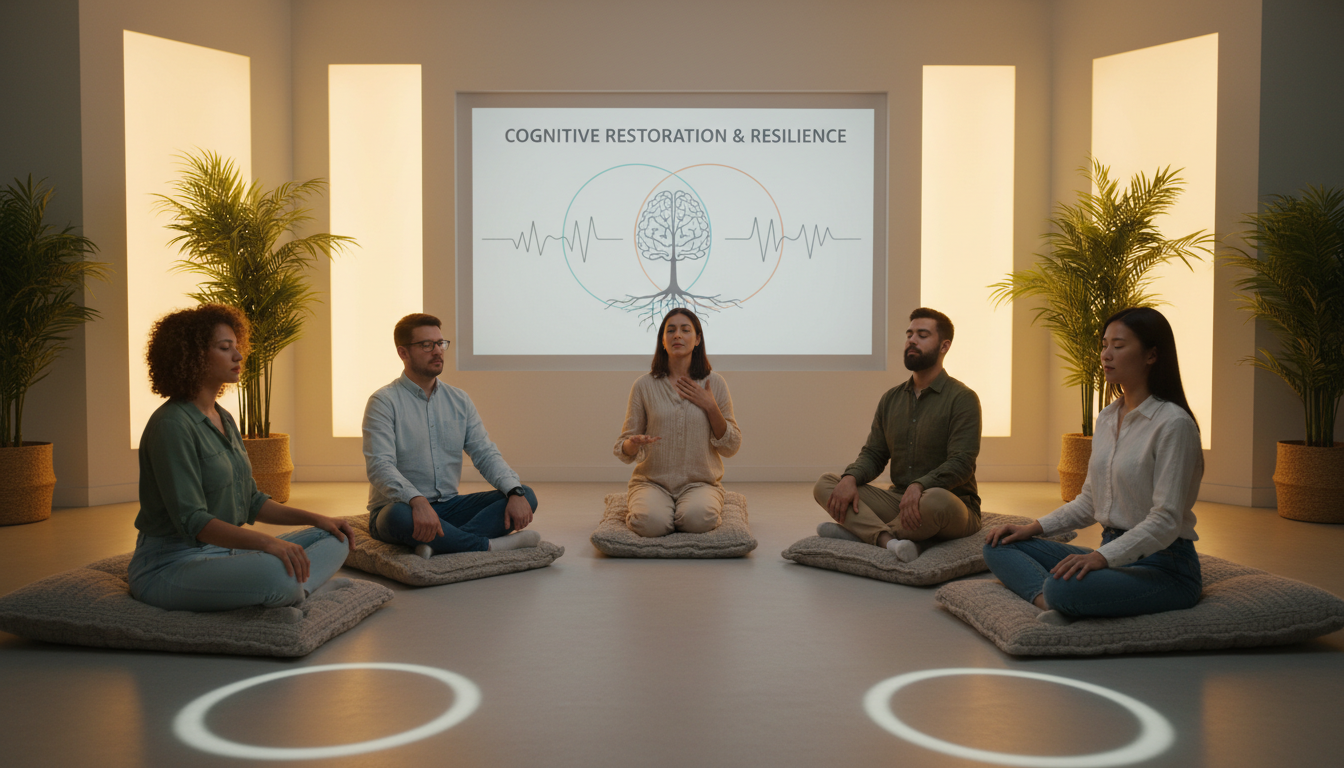
- Mindfulness and meditation: These practices can reduce symptoms by promoting relaxation and present-moment awareness.
- Medication: In some cases, medication may be prescribed to help manage symptoms.

In addition to professional treatment, lifestyle changes such as regular physical activity, a balanced diet, and adequate sleep can also play a significant role in managing both anxiety and stress.
Conclusion
Understanding the differences between anxiety and stress is the first step toward managing them effectively. By recognizing their unique symptoms and exploring appropriate treatment options, individuals can improve their overall well-being and lead a more balanced life. If you find yourself struggling, don't hesitate to seek help from a mental health professional.